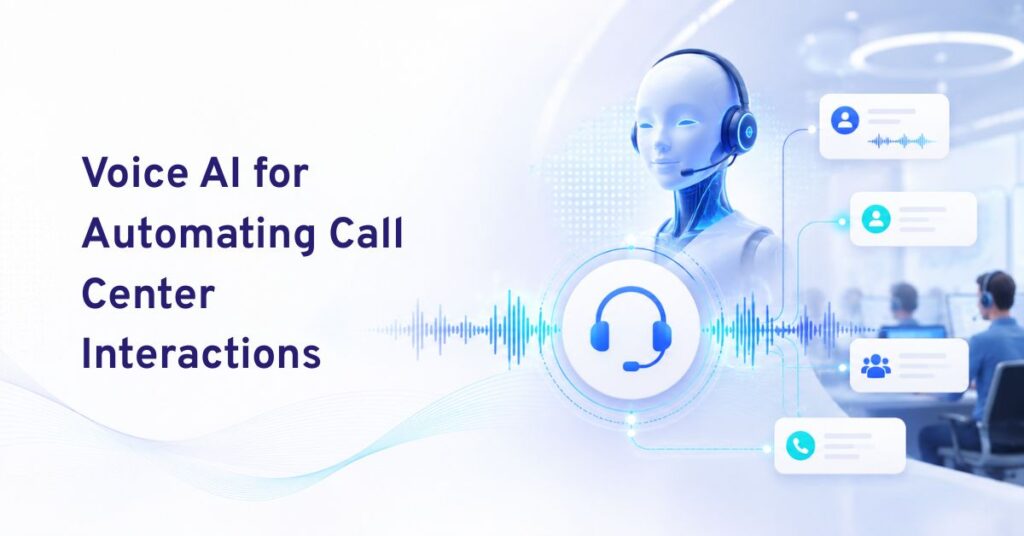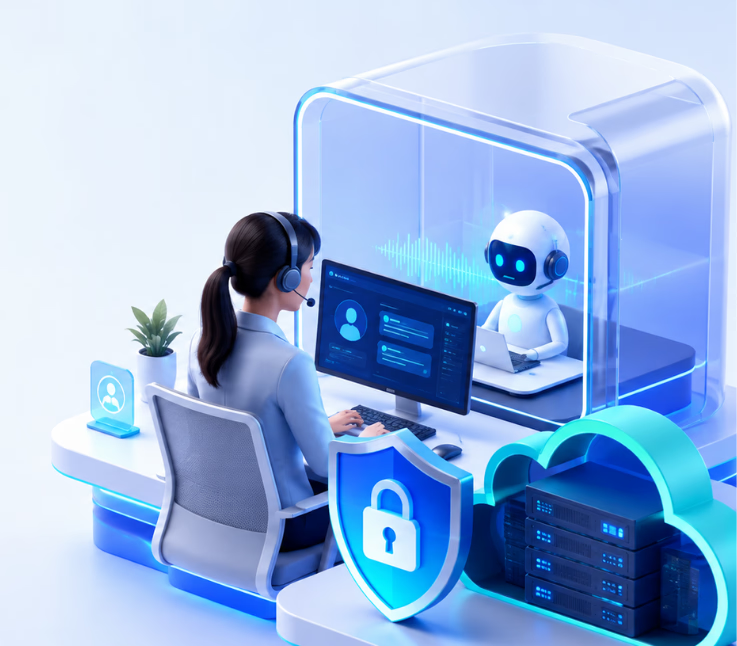
The best private AI call center alternatives to Zanus include Commplify, Nutanix Enterprise AI, Retell AI, PolyAI, and Vapi AI. Each offers different strengths in data privacy, voice automation, and customer engagement.
A customer calls with an urgent issue. Your support team is already overwhelmed. Another lead goes unanswered, wait times grow, and sensitive customer data passes through multiple systems. Sound like a familiar challenge?
What if AI agents could handle hundreds of conversations, qualify leads, and resolve routine issues without putting data privacy at risk?
That’s the promise of a private AI call center like Zanus.
But here’s the challenge: Not every AI call center offers the same level of security, automation, or control over customer data. Choosing the wrong platform could create more problems than it solves.
So, which solution actually fits your business?
In this guide, we’ll explore 7 private AI call centers like Zanus. You’ll discover their key capabilities, how private AI works, real-world use cases, and what to look for before making your decision.
What Is a Private AI Call Center Like Zanus?
A private AI call center like Zanus is an AI-powered communication system that automates inbound and outbound customer calls while keeping sensitive data within controlled infrastructure. It uses conversational AI, large language models (LLMs), and voice automation to handle customer inquiries, qualify leads, and streamline support through on-premises, private cloud, or self-hosted deployments.
Key capabilities include:
- AI Voice Agents: Automate conversations using speech recognition (ASR) and text-to-speech (TTS).
- Data Privacy: Support data sovereignty, encryption, and role-based access control (RBAC).
- Workflow Automation: Connect with CRM, helpdesk, and business systems.
- Human Handoff: Transfer complex issues to live agents without losing conversation context.
For sales teams, contact centers, and BPO providers, private AI can reduce repetitive work, improve response times, and provide greater control over customer information.
7 Best Private AI Call Center Solutions Like Zanus
Looking for a private AI call center like Zanus that can automate customer conversations without compromising data control? Several AI platforms offer voice automation, private infrastructure, and enterprise customer engagement capabilities.
However, they serve different business needs. Some provide on-premises deployment and self-hosted Large Language Models (LLMs). Others focus on conversational AI, outbound calling, or omnichannel customer support.
Here are seven solutions worth exploring, along with their features, practical use cases, and privacy considerations.
1. Commplify: Best for Omnichannel AI Customer Engagement
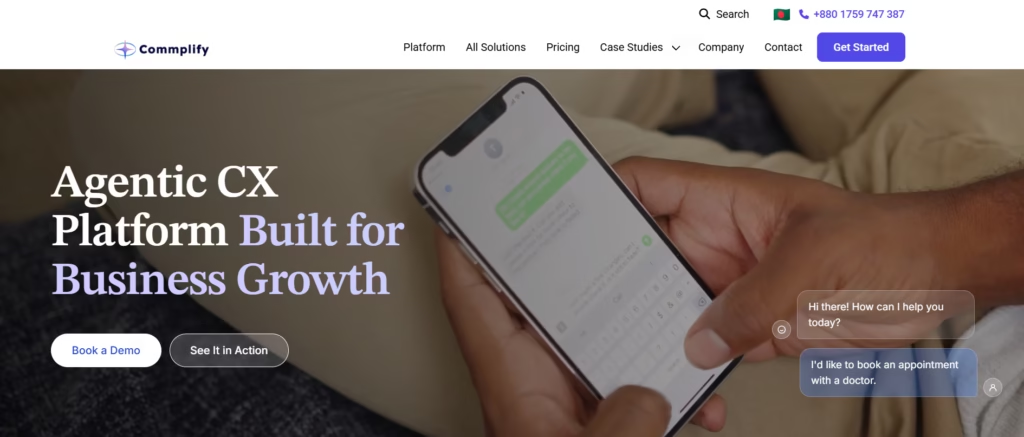
Commplify helps businesses automate customer interactions across voice, chat, email, WhatsApp, and other messaging channels. It combines AI voice intelligence, customer context, and workflow automation in one platform.
For businesses exploring a private AI call center like Zanus, Commplify offers an approach that goes beyond basic call answering. Its AI agents can understand customer requests, retrieve approved information, and complete supported business tasks.
For example, a customer calls about a delayed order. Commplify’s AI voice agent can check the order status through a connected system. It can then provide an update or route the call to a human agent with the conversation context.
This approach helps customer support and BPO teams reduce repetitive work. It also makes it easier to maintain consistent service across channels.
Key Features
- Omnichannel AI: Connects customer interactions across voice, email, chat, and messaging.
- AI Voice Intelligence: Supports inbound and outbound calls, lead qualification, and customer inquiries.
- Workflow Automation: Connects AI conversations with CRM, scheduling, and support workflows.
- AI-to-Human Handoff: Transfers complex issues to agents with relevant customer context.
- Customer Analytics: Tracks conversation outcomes, resolution rates, and service quality.
- Deployment Flexibility: Lists cloud and on-premises options, with data residency and audit options in its enterprise offering.
Best For
Sales and SDR teams, customer support teams, BPO providers, and enterprises seeking omnichannel AI automation.
Pricing
Starts at $0.10 per voice minute, $0.05 per chat conversation, or $0.30 per successful resolution. Enterprise plans with private or on-premises deployment require custom pricing.
Why Choose Commplify?
Commplify combines AI voice intelligence, omnichannel customer engagement, and workflow automation to simplify inbound and outbound calls. For businesses seeking a private AI call center like Zanus, it offers flexible enterprise deployment options, CRM integration, and seamless human handoffs.
2. Nutanix Enterprise AI: Best for Private AI Infrastructure
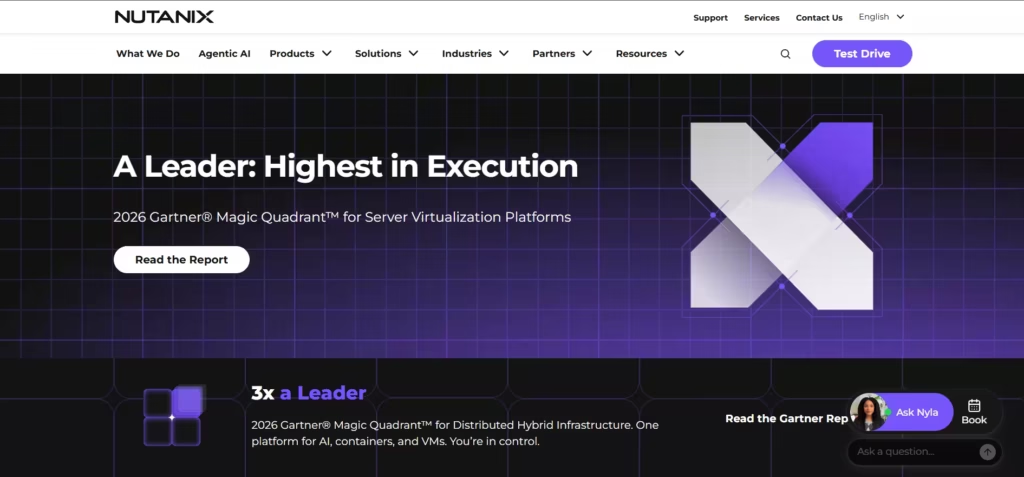
Nutanix Enterprise AI helps organizations deploy and manage AI models within controlled infrastructure. It supports on-premises, hybrid cloud, and air-gapped environments.
Unlike ready-made AI calling software, Nutanix provides the infrastructure needed to build private AI applications.
Businesses can use its AI inference capabilities to host local LLMs and connect them with other technologies. These may include Automatic Speech Recognition (ASR), Text-to-Speech (TTS), telephony systems, and CRM applications.
For example, a bank could build a private AI assistant to answer routine account inquiries. The bank could run its approved language model within a controlled environment. Its development team would still need to integrate the voice and calling components.
Key Features
- Private LLM Hosting: Deploys and manages AI models on controlled infrastructure.
- On-Premises Deployment: Supports enterprise data centers and private cloud environments.
- Air-Gapped Operations: Offers deployment options for environments with restricted network access.
- AI Governance: Provides role-based access controls, API management, and auditing.
- AI Model Integration: Supports validated models and custom models through its AI infrastructure.
- Infrastructure Monitoring: Helps IT teams manage model inference, resource usage, and operational performance.
Best For
Banks, healthcare enterprises, regulated organizations, and IT teams building custom private AI call centers.
Pricing
Custom quote-based pricing. Licensing depends on GPU memory or vCPU resources and the selected infrastructure package. Hardware, implementation, and support costs may apply.
What to consider
Nutanix is not a complete AI call center. Businesses must add telephony, conversational orchestration, speech services, and customer support workflows.
3. Retell AI: Best for Conversational AI Voice Automation
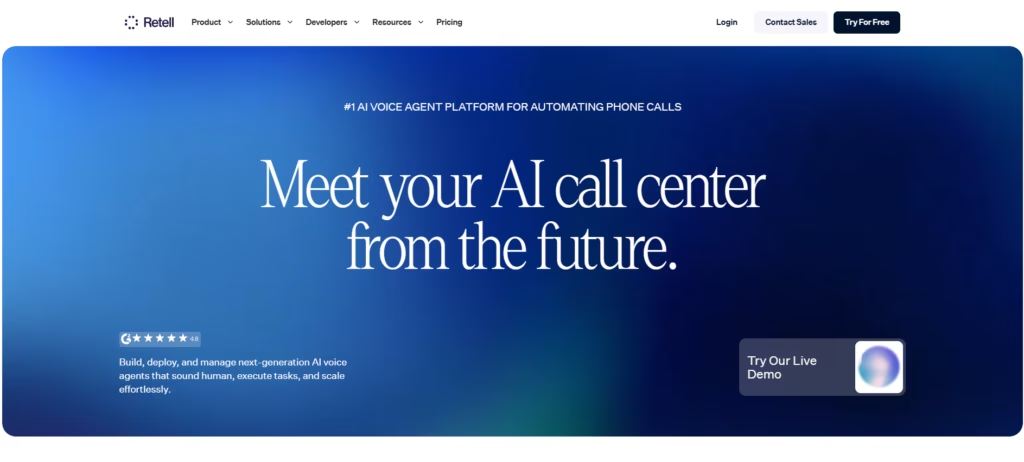
Retell AI is a conversational AI platform for building voice agents that handle inbound and outbound phone calls.
It helps businesses automate customer inquiries, appointment scheduling, lead qualification, and routine support conversations.
Retell AI focuses on natural speech, real-time responses, and business system integrations. Its voice agents can handle interruptions and transfer calls when human support is required.
For example, an SDR team can use Retell AI to contact leads, ask qualification questions, and schedule meetings. Sales representatives can then spend more time speaking with qualified prospects.
Retell AI also advertises an enterprise on-premises option. This makes it relevant to businesses that need stronger control over voice AI deployment.
Key Features
- Conversational Voice AI: Handles natural, real-time phone conversations.
- Inbound and Outbound Calling: Automates support requests, follow-ups, and sales calls.
- Call Transfer: Routes conversations to human representatives.
- Business Integrations: Connects with CRM, calendars, telephony, and other applications.
- Data Protection Controls: Includes personal information redaction and role-based permissions.
- Enterprise On-Premises Deployment: Offers an option for organizations with specific security and data residency requirements.
Best For
SDR teams, customer support teams, appointment-based businesses, and enterprises implementing voice automation.
Pricing
Pay-as-you-go voice AI costs approximately 0.07–0.31 per minute. Enterprise plans offer custom pricing. Additional telephony and optional feature charges may apply.
What to consider
Verify which components can run on-premises. Ask about telephony dependencies, speech processing, model hosting, and data storage before deployment.
4. AI Phone 360: Best for AI Call Automation
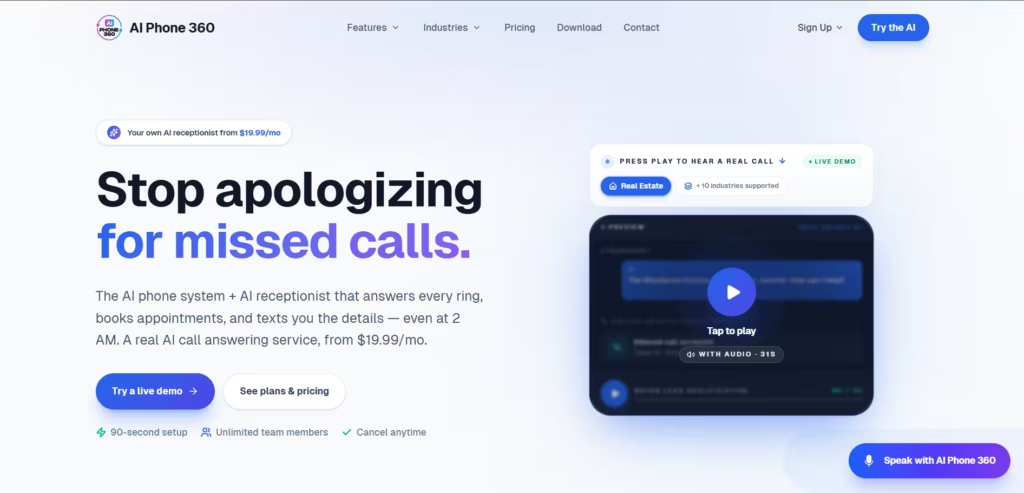
AI Phone 360 is a cloud-based AI phone system designed to help businesses answer calls, capture leads, and automate routine customer inquiries.
It works as an AI receptionist. The system answers incoming calls, collects customer information, books appointments, and sends SMS follow-ups. Businesses can also connect their existing phone numbers.
For example, a plumbing company receives an emergency service request after business hours. AI Phone 360 can collect the caller’s details, identify the problem, and transfer urgent calls to an available technician.
This helps smaller teams manage inquiries without requiring employees to answer every call.
Key Features
- 24/7 AI Receptionist: Answers incoming customer calls outside regular business hours.
- Appointment Scheduling: Connects with Google Calendar to check availability and book appointments.
- Lead Capture: Collects caller information and records customer inquiries.
- SMS Automation: Sends call summaries and follow-up messages.
- Call Management: Supports call transfers, recordings, transcripts, and a built-in CRM.
- API Integration: Allows developers to connect business applications and trigger custom actions during calls.
Best For
Small businesses, local service providers, appointment-based companies, and teams that want simple AI phone automation.
Pricing
Basic starts at $19.99/month plus $0.35 per AI minute. Pro costs $59.99/month with 75 included minutes. Enterprise starts at $199.99/month with 300 included minutes. These are web subscription prices.
What to consider
AI Phone 360 identifies itself as a cloud-based service. It is suitable for automated call handling but is not a verified on-premises private AI call center.
5. PolyAI: Best for Enterprise Voice AI
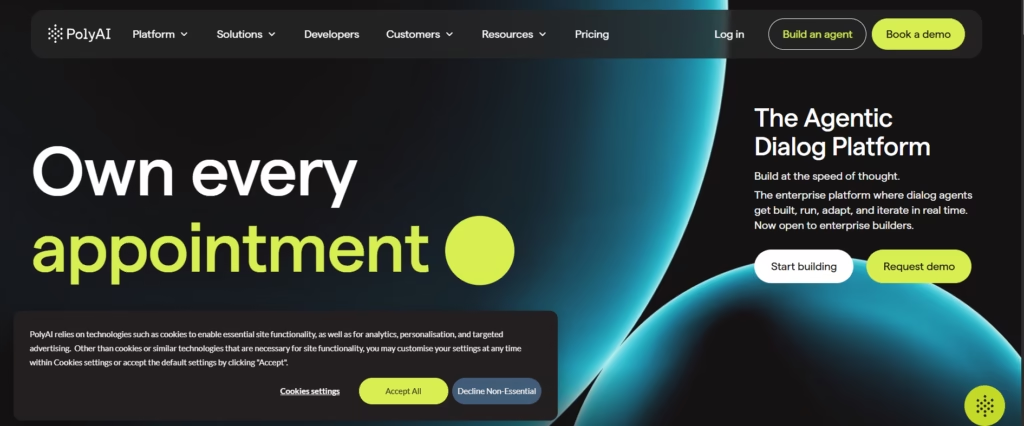
PolyAI provides enterprise conversational AI for automating high-volume customer interactions. Its voice agents can understand natural speech, respond to customer requests, and complete supported tasks through connected systems.
PolyAI is particularly useful for contact centers that handle repetitive but detailed conversations. These include booking changes, customer service inquiries, and account-related requests.
For example, a hotel chain receives calls about reservations, cancellations, and booking changes. PolyAI can check available booking information and process supported requests. Customers with complex issues can be transferred to staff.
This can help contact center teams reduce repetitive calls and focus on interactions that need human judgment.
Key Features
- Enterprise Voice AI: Automates customer conversations using AI-powered dialogue models.
- Natural Conversations: Supports conversational turn-taking and interruption handling.
- Workflow Automation: Performs supported actions through connected business systems.
- Contact Center Integration: Connects with telephony, CRM, and customer service platforms.
- Multichannel Engagement: Supports voice and other digital communication channels.
- Enterprise Security: Offers access controls, encryption, and regional data residency options.
Best For
Large enterprises, hospitality businesses, customer service teams, and high-volume contact centers.
Pricing
Custom quote-based pricing with per-minute usage charges. The company does not publish a fixed rate. Pricing includes ongoing maintenance, performance improvements, and support.
What to consider
PolyAI offers enterprise security and data residency controls. However, organizations requiring self-hosted infrastructure or air-gapped deployment should confirm whether these options are available for their implementation.
6. Vapi AI: Best for Custom AI Voice Agents
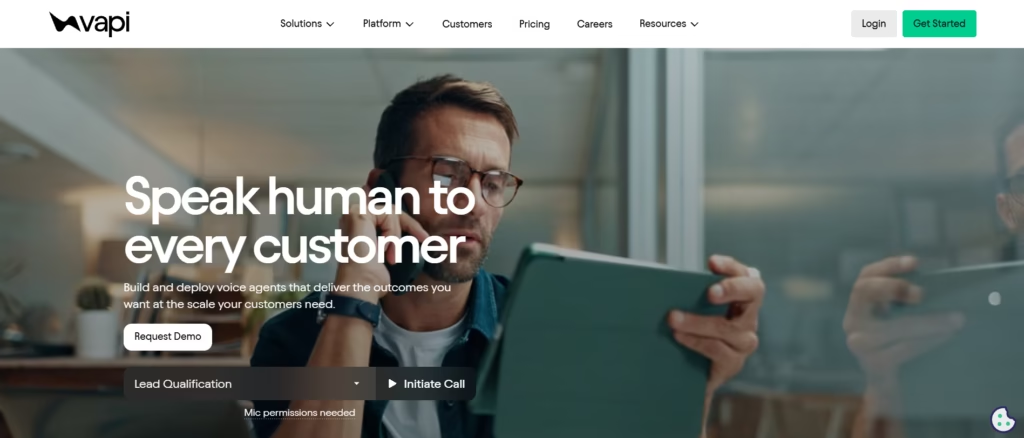
Vapi AI is a developer-focused platform for building custom AI voice agents. It gives development teams control over the speech recognition, language model, voice, and workflow components used in conversations.
Vapi is useful for businesses that need more flexibility than a standard AI receptionist. Developers can configure conversational workflows and connect agents with external applications through APIs.
For example, an AI automation agency builds a voice assistant for a real estate company. The agent can ask callers about their budget, preferred locations, and property requirements. It can then send qualified lead information to the company’s CRM.
Vapi provides the voice AI infrastructure needed to develop this workflow.
Key Features
- Voice AI APIs: Helps developers build agents for inbound and outbound calls.
- Custom AI Models: Supports different speech recognition, LLM, and text-to-speech providers.
- Workflow Automation: Connects voice agents with booking systems, CRM platforms, and other applications.
- Multi-Agent Orchestration: Supports specialized assistants and context-preserving transfers.
- Telephony Integration: Connects AI agents with phone communication systems.
- Developer Customization: Offers configurable tools, instructions, and integrations.
Best For
AI automation agencies, developers, SaaS companies, and businesses building customized voice applications.
Pricing
Starts at $0.05 per minute for platform hosting, excluding model, voice, transcription, and telephony costs. Optional Core support starts at $29/month. Enterprise packages require a custom quote.
What to consider
Vapi offers flexibility across AI providers, but this does not mean the entire platform is private. Businesses should verify where speech processing, model inference, recordings, and orchestration take place.
7. Five9: Best for Enterprise Cloud Contact Center Automation
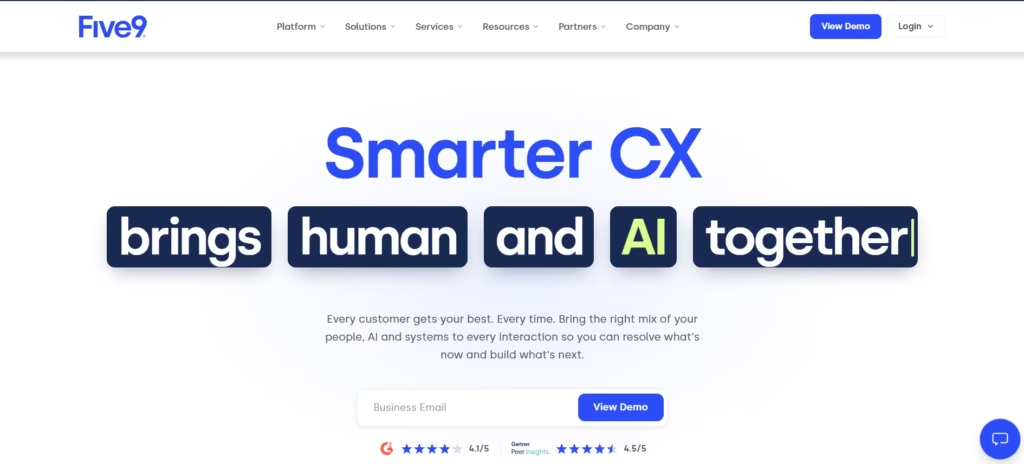
Five9 is an enterprise cloud contact center platform that brings together AI automation, intelligent call routing, and omnichannel customer engagement.
It helps businesses manage customer interactions across voice and digital channels. Its AI capabilities support self-service, agent assistance, and contact center workflow automation.
Unlike standalone voice AI platforms, Five9 also provides broader contact center tools for managing agents, routing, and operational performance.
For example, a BPO company handles customer inquiries for several enterprise clients. Five9 can route calls based on customer needs and agent skills. Its AI tools can also support routine self-service requests and provide information to human agents.
This helps contact center managers organize customer operations and improve service consistency.
Key Features
- Cloud Contact Center: Manages inbound, outbound, and blended customer interactions.
- Intelligent Call Routing: Directs customers to appropriate agents using routing rules and AI-supported capabilities.
- Conversational AI: Supports automated self-service through intelligent virtual agents.
- Omnichannel Communication: Connects voice, chat, email, SMS, and messaging channels.
- AI Agent Assist: Provides real-time guidance, transcripts, and call summaries.
- Contact Center Analytics: Supports reporting and performance monitoring across customer operations.
Best For
Enterprise contact centers, BPO providers, large customer support teams, and businesses modernizing cloud-based customer service.
Pricing
What to consider
Five9 is primarily a cloud contact center platform. Businesses with strict on-premises or air-gapped requirements should assess its deployment architecture and data-processing arrangements.
How We Evaluated These Private AI Call Centers Like Zanus
To shortlist the 7 best private AI call center solutions like Zanus, we developed a 100-point evaluation framework covering six critical areas of AI call center performance.
Our analysis focused on the needs of sales teams, customer support operations, BPO providers, and enterprises handling sensitive customer information.
We structured our comparison around the following weighted criteria:
| Evaluation Criteria | Weight | What We Evaluated |
|---|---|---|
| Data Privacy & Security | 25% | On-premises deployment, data sovereignty, encryption, and RBAC |
| Conversational AI Performance | 20% | ASR, TTS, response latency, and interruption handling |
| Workflow Automation | 20% | Inbound/outbound calling, lead qualification, and human handoff |
| Integration Capabilities | 15% | CRM connectivity, APIs, webhooks, and helpdesk integrations |
| Scalability & Reliability | 10% | Concurrent call capacity, uptime commitments, and monitoring |
| Pricing & TCO | 10% | Usage-based fees, infrastructure costs, and pricing transparency |
| Total | 100% |
We also defined five practical test scenarios to guide a more detailed evaluation:
- Inbound Support: Can the AI resolve a routine customer inquiry without human assistance?
- Outbound Sales: Can it qualify leads and update CRM records accurately?
- Conversation Quality: Can it handle interruptions, unclear speech, and follow-up questions?
- Human Handoff: Can it transfer complex calls while preserving customer context?
- Data Privacy: Can the vendor demonstrate where audio, transcripts, and AI model requests are processed?
Our comparison distinguishes between documented product capabilities and performance that still requires hands-on testing.
Key Finding: The seven platforms serve different needs. Some prioritize private AI infrastructure and data sovereignty. Others focus on conversational AI, workflow automation, or omnichannel customer engagement. A platform’s overall suitability depends on how well these capabilities match an organization’s security and operational requirements.
What Features Should You Look for in a Private AI Call Center?
Choosing the right private AI call center like Zanus depends on your data privacy requirements, automation goals, infrastructure, and budget. When comparing private AI call center solutions, consider these seven essential features:
- Private Deployment: Look for on-premises hosting, self-hosted infrastructure, local LLMs, and data sovereignty controls.
- Conversational AI: Prioritize natural voice quality, low latency, multilingual support, and interruption handling.
- Security and Compliance: Check encryption, PII redaction, zero data retention, HIPAA, GDPR, and SOC 2 Type II requirements.
- AI Accuracy: Evaluate RAG, knowledge base grounding, intent recognition, and hallucination guardrails.
- Omnichannel Automation: Look for inbound and outbound calling, smart routing, and AI-to-human warm transfers.
- CRM Integration: Ensure compatibility with Salesforce, HubSpot, REST APIs, webhooks, and SIP trunking.
- Analytics and Pricing: Compare call resolution rates, automated QA, scalability, and total cost of ownership (TCO).
How Does a Private AI Call Center Work?
A private AI call center like Zanus uses conversational AI, speech processing, and workflow automation to manage customer calls. Unlike traditional cloud-based systems, it can process sensitive information within on-premises servers, private cloud environments, or self-hosted infrastructure.
The system works through six key steps:
Step 1: Customer Calls Connect to the AI System
When a customer calls, a telephony gateway or SIP trunk connects the call to an AI voice agent. The system uses intelligent call routing and intent detection to identify the customer’s needs. It can handle inbound inquiries and support outbound calling campaigns.
Step 2: Speech Recognition Converts Voice Into Text
Automatic Speech Recognition (ASR), also called Speech-to-Text (STT), converts the customer’s spoken words into text. A low-latency AI voice pipeline processes speech in real time. This helps the AI recognize questions, pauses, and interruptions during conversations.
Step 3: A Private LLM Understands Customer Intent
Natural Language Processing (NLP) and a Large Language Model (LLM) interpret the customer’s request. In a private deployment, a local LLM can operate on a dedicated AI node.
Retrieval-Augmented Generation (RAG) retrieves relevant information from approved knowledge bases. Hallucination guardrails help prevent inaccurate or unsupported responses.
Step 4: AI Automates Business Tasks
The AI agent connects with CRM, helpdesk, and scheduling systems through secure APIs. It can qualify leads, check order statuses, create support tickets, or book appointments using real-time calendar synchronization.
For example, an AI receptionist can check available appointment slots and confirm a booking without human involvement.
Step 5: AI Responds or Transfers the Call
Text-to-Speech (TTS) and neural voice synthesis convert the AI’s response into natural speech. Turn-taking and interruption handling allow customers to speak without following rigid scripts.
If the request requires human assistance, the system performs an AI-to-human warm transfer with relevant conversation context.
Step 6: Customer Data Remains Protected and Performance Is Tracked
In a properly configured private deployment, customer data can remain within approved infrastructure. Encryption, role-based access control, PII redaction, and configurable retention policies help protect sensitive information.
Post-call analytics track conversation outcomes, First Call Resolution (FCR), sentiment, and quality assurance issues.
For example: A healthcare clinic can use a private AI receptionist to schedule appointments, answer routine questions, and escalate urgent requests. With suitable infrastructure and safeguards, patient information can remain within the clinic’s controlled environment.
Real-World Use Cases for Private AI Call Centers
A private AI call center like Zanus can help businesses automate customer conversations while maintaining greater control over sensitive information. From healthcare appointments to sales qualification, AI voice agents can reduce manual work and improve response times.
Here are five practical use cases based on Commplify’s published customer case studies.
Healthcare
Healthcare providers often struggle with long appointment queues, missed calls, and repetitive patient inquiries. AI virtual receptionists can automate appointment booking, reminders, and routine support. Private AI deployment can also help organizations control access to sensitive patient data.
Real-World Example: HealthPlus used Commplify’s AI-powered scheduling solution to automate patient interactions and improve appointment management.
Reported Results:
- Reduced scheduling wait times from 6.5 to 1.8 minutes.
- Handled 61% of calls without human intervention.
- Reduced appointment no-shows from 14% to 8%.
- Improved patient satisfaction from 79% to 88%.
These results show how AI scheduling can improve patient access while allowing medical staff to focus on complex needs.
Banking and Financial Services
Banks handle sensitive account information, loan inquiries, and card-related requests every day. A private AI voice agent can support routine inquiries, intent-based routing, and lead qualification. Secure verification and human escalation remain essential.
Real-World Example: GlobalFin Bank, an anonymized Southeast Asian banking client, used Commplify to automate customer service and prequalify loan and credit card inquiries.
Reported Results:
- Achieved 89% first-call resolution, up from 68%.
- Handled 58% of calls without human intervention.
- Increased lead qualification from 11% to 27%.
- Reduced cost per serviced interaction by 32%.
This case shows how AI automation can improve banking support and sales efficiency without expanding frontline teams.
BPO and Outsourcing
BPO providers often face high call volumes, long queues, and rising staffing costs. AI call center automation can handle repetitive inquiries, identify customer intent, and transfer complex issues to human agents.
Real-World Example: A Middle Eastern public service agency used a private AI call center to automate complaint registration and emergency-related call routing.
Reported Results:
- Answered 90% of calls within 10 seconds.
- Increased first-call resolution from 70% to 94%.
- Automated approximately 70% of inbound calls.
- Reduced operational costs by 35%.
This demonstrates how intelligent call routing, automated logging, and priority escalation can improve high-volume service operations.
E-commerce and Retail
Retailers receive frequent calls about deliveries, refunds, returns, and product availability. AI voice agents can retrieve real-time order information and initiate supported workflows through connected systems.
Real-World Example: OmniRetail, an anonymized Middle Eastern retailer, implemented Commplify’s AI voice automation for order tracking, returns, and customer support.
Reported Results:
- Resolved 64% of calls without human assistance.
- Reduced average answer time from 72 to 14 seconds.
- Lowered cost per support interaction by 29%.
- Improved customer satisfaction from 78% to 86%.
The results highlight the value of connecting conversational AI with order management systems and customer support workflows.
Sales and Service Businesses
Sales teams often miss opportunities because of delayed follow-ups, unanswered calls, and manual lead screening. AI outbound calling agents can qualify prospects, update CRM records, and route interested buyers to sales representatives.
Real-World Example: A US insurance telesales operator used a private AI call center to automate outbound lead qualification and improve sales handoffs.
Reported Results:
- Increased warm-lead conversion from 2% to 16%.
- Improved connection rates from approximately 12% to 25%.
- Supported 10–20 concurrent AI calls.
- Reduced average call handling time from 6 to 3 minutes.
This shows how automated lead qualification can improve SDR productivity and help human sales representatives focus on high-intent prospects.
How to Choose the Right Private AI Call Center for Your Business
Choosing a private AI call center like Zanus starts with understanding your business needs, data privacy requirements, and automation goals. Not every solution offers the same deployment flexibility, voice quality, or integrations.
Follow these six steps to find the right platform for your business.
- Business Goals: Identify your needs for inbound support, outbound calling, lead qualification, appointment scheduling, or omnichannel AI automation.
- Privacy and Deployment: Check for on-premises deployment, self-hosted infrastructure, local LLM support, data sovereignty, and HIPAA or GDPR requirements.
- AI Voice Performance: Evaluate natural speech, low latency, multilingual support, interruption handling, and RAG-based response accuracy.
- CRM and Telephony Integration: Verify compatibility with Salesforce, HubSpot, REST APIs, webhooks, SIP trunking, and AI-to-human warm transfers.
- Pricing and Scalability: Compare per-minute charges, infrastructure costs, concurrent call capacity, and Total Cost of Ownership (TCO).
- Pilot Testing and Performance: Test real-world workflows and measure First Call Resolution (FCR), response accuracy, escalation rates, and cost per resolved call.
Final Thoughts
Choosing the right private AI call center like Zanus is about more than automating phone calls. It’s about protecting customer data, reducing manual workloads, and delivering faster, more reliable customer experiences.
The seven alternatives offer different strengths. Some prioritize private AI infrastructure and data sovereignty. Others focus on conversational AI, outbound calling, or enterprise contact center automation.
For businesses seeking a connected approach, Commplify brings AI voice intelligence, omnichannel customer engagement, and workflow automation together. This helps sales, support, and BPO teams manage customer conversations more efficiently.
Before making your decision, compare deployment options, security controls, integrations, and total costs. Test your preferred solution with real customer scenarios to understand its performance.
Ultimately, the best AI call center is one that balances data privacy, intelligent automation, and measurable business value while growing with your customer needs.
Frequently Asked Questions
What is a private AI call center like Zanus?
A private AI call center is a system that uses conversational AI to automate customer calls while providing greater control over infrastructure and data processing. Depending on its architecture, it may use on-premises servers, private cloud infrastructure, and self-hosted language models.
What are the best private AI call center alternatives to Zanus?
Seven options worth evaluating are Commplify, Nutanix Enterprise AI, Retell AI, AI Phone 360, PolyAI, Vapi AI, and Five9. However, they serve different purposes. Nutanix focuses on private AI infrastructure, while the others offer varying levels of voice automation, omnichannel engagement, or contact center functionality.
Can AI call center software run on-premises?
Yes. AI call center software can run on-premises when its telephony, speech processing, language models, and orchestration components support private deployment. Nutanix provides infrastructure for private AI workloads, and Retell AI advertises an enterprise on-premises option. Availability and implementation requirements should be confirmed with each vendor.
What is the difference between private AI and cloud-based AI call centers?
Private AI call centers emphasize controlled infrastructure, data residency, and processing environments. Cloud-based AI call centers generally use provider-managed infrastructure. Private deployment can offer greater control, while cloud solutions may reduce infrastructure management and accelerate implementation.
Are private AI call centers HIPAA and GDPR compliant?
Private deployment does not automatically guarantee HIPAA or GDPR compliance. Compliance depends on the complete system, data processing practices, contractual agreements, security controls, and organizational procedures. Businesses should review vendor documentation and seek appropriate legal and compliance guidance.
How much does a private AI call center like Zanus cost?
Costs vary depending on the number of calls, AI model usage, infrastructure, integrations, and support requirements. Cloud-based platforms may charge usage-based fees, while private deployments can involve upfront hardware and implementation costs. Compare total cost of ownership and cost per successfully resolved interaction.
Can a private AI call center integrate with CRM and helpdesk software?
Yes. Many AI call center solutions support integrations with CRM and helpdesk platforms through APIs, webhooks, or native connectors. These integrations can help AI agents retrieve authorized customer information, update tickets, schedule appointments, and maintain conversation history.
Can private AI call centers support omnichannel customer engagement?
Yes, when the architecture supports multiple communication channels. An omnichannel AI platform can connect voice, chat, email, and messaging workflows. Businesses should confirm that the required channels, customer context, and data-processing controls are supported within their chosen deployment model.
This page was last edited on 23 October 2026, at 1:07 am